Platelet-rich plasma (PRP) is a concentration of your own blood’s platelets, separated by centrifuge from a routine blood draw. When injected into the scalp or skin, the platelets release growth factors — PDGF, VEGF, TGF-beta, and EGF — that signal surrounding cells to repair, regenerate, and build new collagen or hair follicle activity.
What’s Actually in the Syringe
PRP isn’t a product ordered from a manufacturer’s catalog — it’s drawn from your arm the same way a routine lab test is, then spun in a centrifuge that separates your blood into layers by density. The platelet-rich layer, sitting between the red blood cells and the plasma, is drawn off and concentrated to several times its normal density before it’s re-injected. Platelets are best known for clotting, but they also carry storage granules packed with signaling proteins — growth factors — that get released the moment the platelet is activated by injection. That release is what does the work: it doesn’t add anything foreign to your body, it just concentrates and redirects a repair signal your body already produces on its own.
PRP for Hair Loss — Why the Dermal Papilla Matters
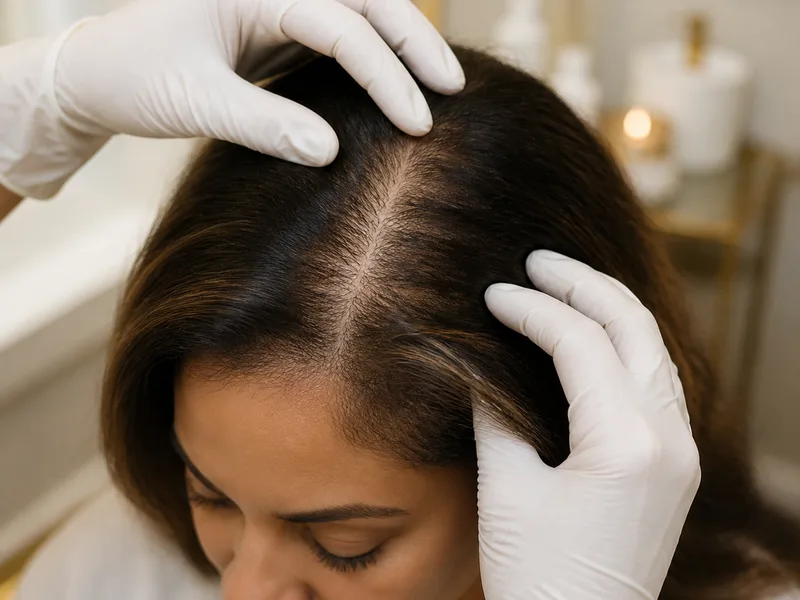
Each hair follicle has a small structure at its base called the dermal papilla, made up of specialized cells that control whether that follicle is actively growing hair or sitting dormant. In androgenic alopecia — the most common pattern of thinning in both men and women — follicles don’t die outright; they miniaturize and spend more time dormant. PRP injected directly into the scalp delivers growth factors to that dermal papilla tissue, which is the mechanism behind why PRP is used for early-to-moderate thinning rather than areas of complete, long-standing hair loss where the follicle structure itself may no longer be present.
PRP for Facial Rejuvenation — Fibroblasts and Collagen
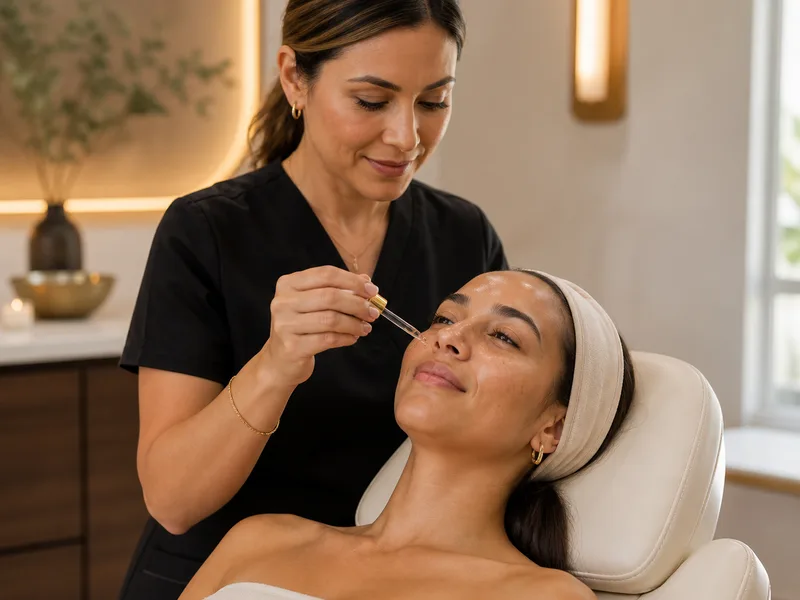
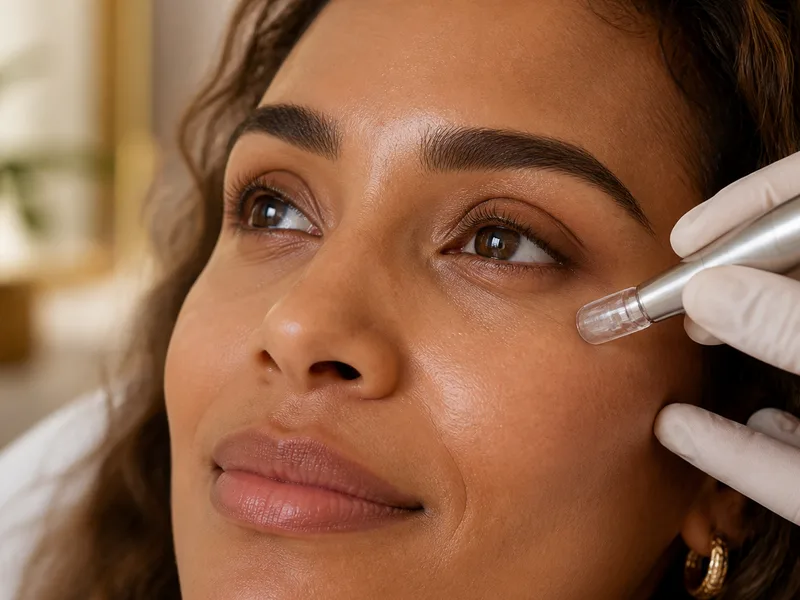
In skin, the same growth factors act on fibroblasts — the cells responsible for producing collagen and elastin. Stimulated fibroblasts increase collagen turnover gradually over the weeks following treatment, which is why PRP results build rather than appear immediately. This is also why PRP is frequently paired with radiofrequency microneedling: the microneedling creates controlled micro-channels that both trigger their own collagen response and improve how deeply the PRP itself penetrates the treated area.
Who Is a Good Candidate for PRP?
Good candidates are generally healthy adults with early-to-moderate hair thinning or facial concerns like fine lines, textural changes, or acne scarring who want a regenerative option rather than a synthetic filler or neurotoxin. PRP is not the right choice for everyone. Dr. Purcell screens for contraindications during consultation, including active blood disorders or platelet dysfunction, current anticoagulant or blood-thinning medication, active skin infection or a recent history of certain skin cancers at the treatment site, and pregnancy. Because PRP is autologous — drawn from your own blood in the same visit — it does not introduce a foreign biologic material into your skin, but that doesn’t mean it’s automatically appropriate for every medical history, which is exactly why this starts with a real consultation rather than a form.
For background on how platelet growth factors are studied in regenerative medicine, see the National Library of Medicine’s PubMed database on a 2023 systematic review and meta-analysis of platelet-rich plasma for alopecia and the American Academy of Dermatology for general guidance on skin health and dermatologic procedures.
Every PRP treatment plan at Capital Skin Medical Spa in Clifton Park is directed by Dr. John M. Purcell Jr., MD — not handed to unsupervised staff for a procedure that involves your own blood product. Call (518) 458-7546 to schedule a consultation and find out whether PRP is the right fit for your hair or skin.