How Chemical Peels and Professional Facials Actually Work
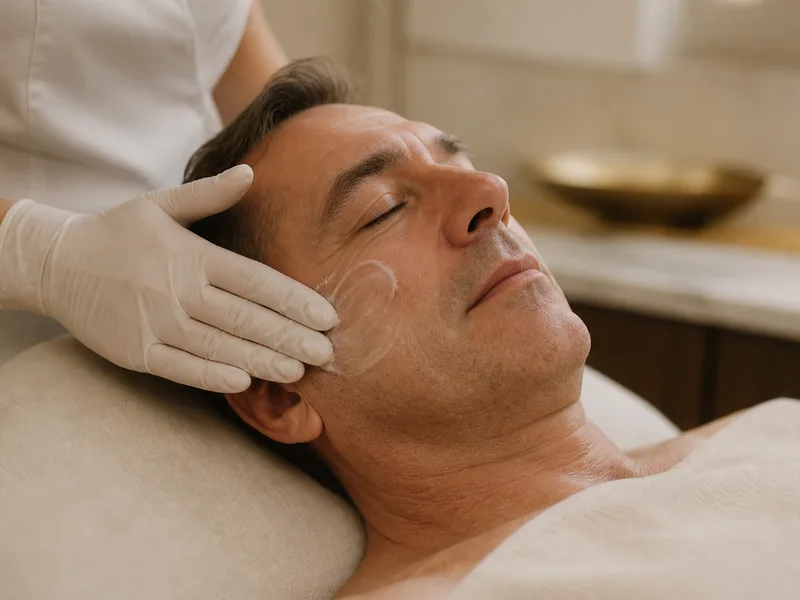
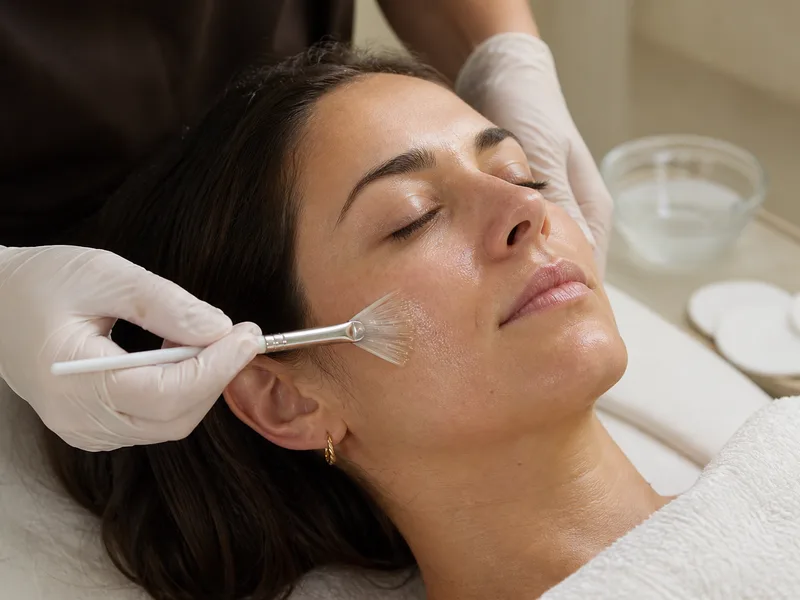
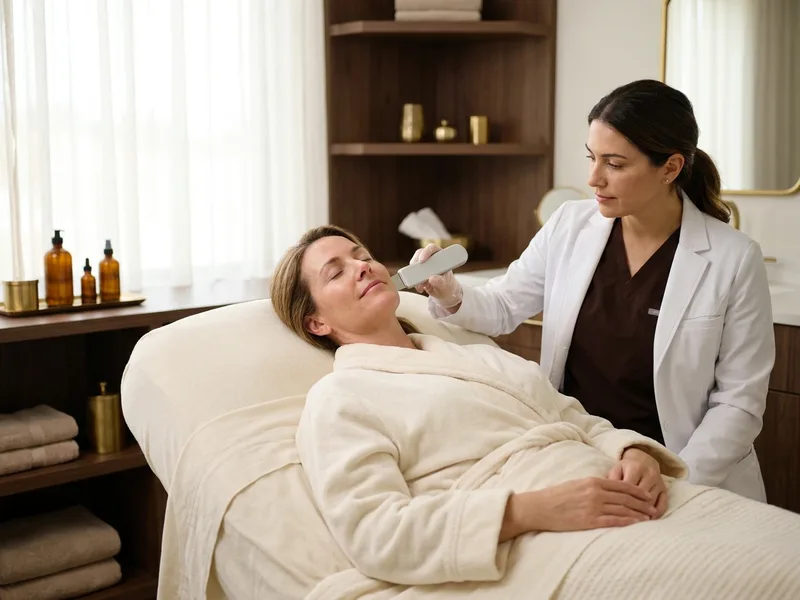
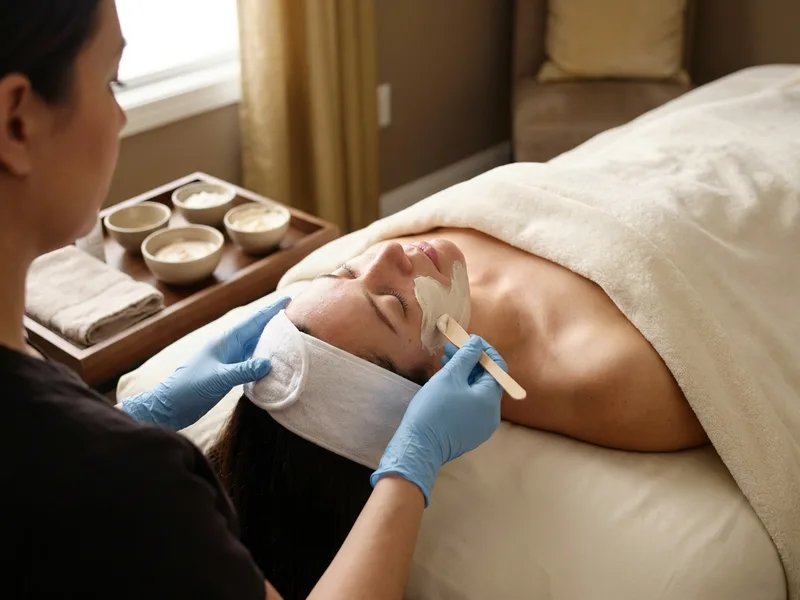
A chemical peel works by applying a controlled acid solution — glycolic, salicylic, lactic, pyruvic, or TCA, depending on the formula — to the outer layers of skin, which causes the damaged or dull surface cells to shed faster than they would on their own. What replaces them is newer skin from below, which is why peels are used for texture, pigment, fine lines, and acne-related concerns. A facial, by contrast, is a broader treatment: cleansing, exfoliation, extraction where needed, and a mask or serum matched to your skin type, often without the same depth of chemical exfoliation a dedicated peel provides. At Capital Skin, both are treated as tools on the same continuum rather than separate categories — your esthetician selects strength and formula based on what your skin actually needs that day.
Understanding Peel Depth — Why Strength Isn’t One-Size-Fits-All
Peel strength is not a marketing term; it’s a real clinical variable. A Lactic 2% peel is a gentle, low-concentration formula suited to sensitive skin or a first-time patient. Moving up through Glycolic and Salicylic options at higher concentrations increases exfoliation depth and visible results, but also increases the chance of redness, sensitivity, and downtime. The VI Peel family sits at the deeper end of that scale — Dr. Purcell’s practice has long described the standard VI Peel as “the 7-day peel” because visible peeling over roughly a week is a normal, expected part of how it works, not a sign something went wrong. Precision and Precision Plus formulas go further still, targeting stubborn pigment, fine lines, and acne scarring more aggressively. That’s exactly why deeper peels are delivered under Dr. John M. Purcell Jr., MD’s medical oversight rather than treated as an interchangeable spa upgrade.
The VI Peel Family: Four Options, One Escalation Ladder
Capital Skin carries all four VI Peel variants — VI Peel, VI Peel Acne, VI Peel Precision, and VI Peel Precision Plus. Having the full family in one place means your esthetician and Dr. Purcell can start conservatively and escalate within the same brand and protocol as your skin responds, instead of switching products or providers mid-plan.
Downtime: What to Expect
Downtime after a chemical peel is real, and it scales with strength. Lighter peels — Lactic, Glycolic 30%, most Salicylic formulas — typically involve mild redness or light flaking that most people can work around the same day. The VI Peel family involves a visible, multi-day peeling phase, sun sensitivity, and a strict requirement for daily SPF and sun avoidance while your skin recovers; skipping that aftercare increases the risk of uneven healing. A gentle peel and a VI Peel that visibly peels for a week are simply different products doing different jobs.
Who Is a Good Candidate?
Most people considering a facial or peel are good candidates. Your esthetician and Dr. Purcell tailor the plan around a few factors:
- An active cold sore, active acne breakout with open lesions, or another active skin infection in the treatment area
- Current or recent use of isotretinoin (a common severe-acne medication), which significantly increases skin sensitivity to peels
- Pregnancy or nursing — several peel acids and ingredient combinations are not recommended during this time, and your plan will be adjusted accordingly
- Recent sun exposure or a fresh tan on the treatment area, which raises the risk of uneven healing or discoloration
- Darker skin tones, where post-inflammatory hyperpigmentation risk is real and peel strength needs to be selected carefully — not a reason to avoid peels, but a reason to individualize the plan
- Use of other photosensitizing medications, which can change how your skin reacts to peel acids or LED light therapy
Every consultation covers which of these apply to you and how they shape the recommended facial, peel strength, or timeline.
When a Facial or Peel Isn’t Enough — Your Escalation Path
Sometimes a peel reaches its ceiling — stubborn pigment doesn’t fully clear, or acne scarring needs more than surface-level exfoliation can deliver. Because Capital Skin is a physician-directed medical spa with six laser treatment services and RF microneedling on-site, Dr. Purcell can move you into a deeper treatment without sending you to a separate clinic to start over. That in-house escalation path — facial, to peel, to laser or microneedling as needed — is what a physician-directed medical spa adds.
What the Research Says
Chemical peel mechanism, depth classification, and general safety considerations are described in the National Library of Medicine’s StatPearls reference entry on chemical peeling (ncbi.nlm.nih.gov/books/NBK547752). Post-inflammatory hyperpigmentation risk — the discoloration risk that’s higher in deeper skin tones and with stronger peels — is covered in a separate StatPearls entry on the condition (ncbi.nlm.nih.gov/books/NBK559150). The FDA maintains general consumer guidance on cosmetic and chemical exfoliation products (fda.gov/cosmetics). As always, individual response depends on skin type, tone, and history, which is why every peel or facial plan at Capital Skin starts with a consultation rather than a generic protocol.