Acne Scar Treatment in Clifton Park, NY | Capital Skin Medical Spa

Every time you catch your reflection under bright light, do the pitted marks or dark patches acne left behind pull your attention before anything else does? At Capital Skin Medical Spa in Clifton Park, acne scar treatment starts by figuring out exactly what’s on your skin — icepick, boxcar, or rolling scars, raised hypertrophic or keloid tissue, or simply post-inflammatory hyperpigmentation (PIH) that will fade on its own with time. Those are different problems, and no single device or peel improves all of them equally.

Hundreds of 5-star reviews across Google, Yelp & DemandForce

Capital Skin Medical Spa | 1520 U.S. Route 9, Clifton Park, NY 12065 | (518) 458-7546 | Mon–Fri 10am–5pm, Sat by appt

What Our Clifton Park Patients Say

Verified 5-star Google reviews from Capital Skin Medical Spa patients.

About Acne Scar Treatment

Acne scar revision at Capital Skin Medical Spa is administered under the direction of Dr. John M. Purcell Jr., MD, Owner and Medical Director, who brings 20+ years of experience as a physician (MD) to every treatment plan. Rather than sending every patient through the same protocol, our team evaluates the shape, depth, and cause of your specific scarring — is it a narrow, deep icepick scar, a wider boxcar depression with sharp edges, a rolling scar caused by fibrotic bands pulling the skin downward, or thickened hypertrophic tissue sitting above the skin’s surface? — and recommends the modality built for that presentation.

Most local medical spas describe “acne scar treatment” as a single service. We don’t, because it isn’t one. Capital Skin offers six distinct scar-revision approaches under one roof: RF microneedling to rebuild collagen and soften textural irregularity, subcision to release the fibrotic strands tethering rolling scars, VI Peel to resurface and even out tone, dermal fillers to lift volume-deficient depressed scars, TCA CROSS for focal treatment of icepick and other atrophic scars, and laser resurfacing for broader textural and tone correction. Multiple techniques are frequently combined in the same treatment plan, because most patients present with more than one scar type at once.

If you’re not sure whether what you’re seeing is a permanent textural scar or simply lingering discoloration from a recent breakout, that distinction matters before you spend money on any treatment. A true scar has changed the physical structure of the skin; PIH is a pigment response that generally resolves as your skin cycles, though it can take months. We help you tell the difference at consultation, and a complimentary VISIA skin analysis can image sub-surface pigment to support that evaluation. Patients curious about additional regenerative treatments can find more detail on our PRP injections page.

Benefits of Acne Scar Treatment

Common Treatment Areas

Provider performing a scar-type skin assessment for a client considering acne scar treatment in Clifton Park, NY

Cheeks & Mid-Face

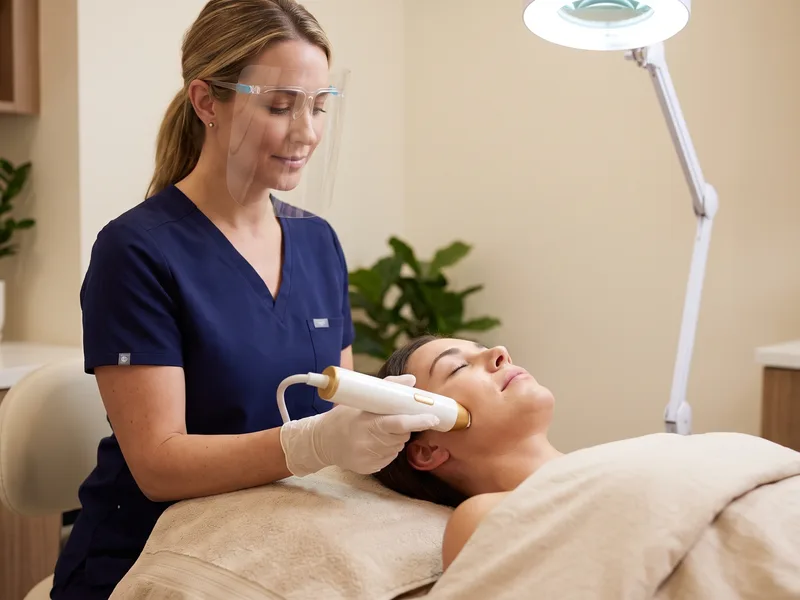
The most common site for boxcar and rolling scars left by moderate to severe acne, this broad, flatter region typically responds well to RF microneedling and, where volume loss is present, dermal fillers.

RF microneedling treatment for acne scarring at Capital Skin Medical Spa in Clifton Park, NY

Jawline & Chin

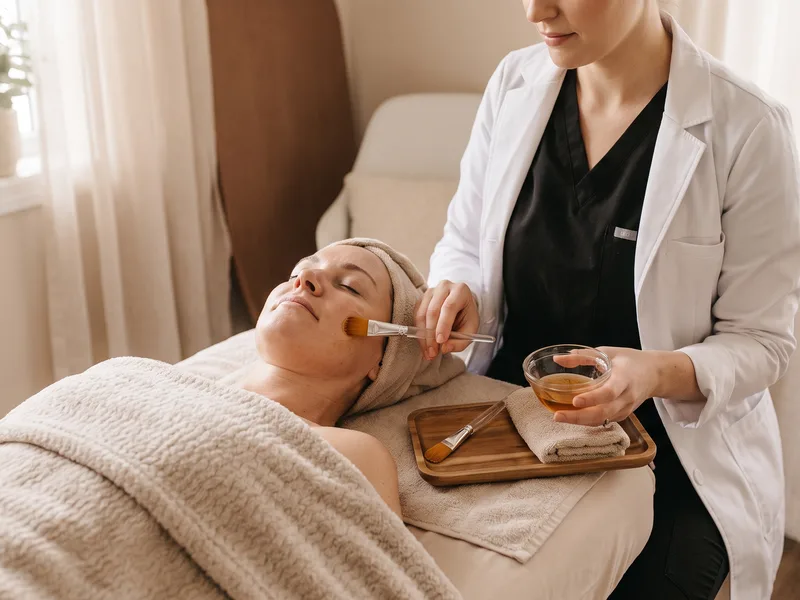
Hormonally influenced acne often concentrates along the jawline and chin, and it’s the deep, inflammatory breakouts — wherever they occur on the face — that are most likely to leave lasting atrophic scarring, including the narrow, icepick presentation TCA CROSS was specifically developed to address.

Chemical peel treatment for acne scarring at Capital Skin Medical Spa in Clifton Park, NY

Temples & Hairline

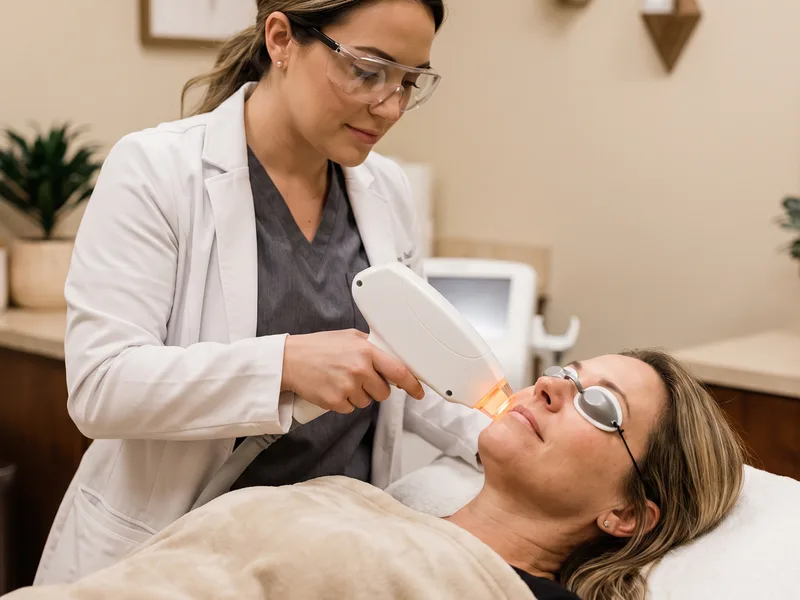
Scarring near the temples and hairline is frequently overlooked in a general skin exam; we evaluate it the same way we evaluate the rest of the face, since rolling and boxcar patterns show up here too.

Laser resurfacing treatment for acne scarring at Capital Skin Medical Spa in Clifton Park, NY

Chest & Back

Acne scarring on the chest and back covers more surface area and tends to run thicker and more hypertrophic than facial scarring, which changes both the technique selected and the number of sessions typically planned.

Your Treatment Experience

Your Consultation & Scar Mapping

Every treatment plan starts with a physician-guided evaluation of your scar types, skin tone, and any active breakouts, since active acne generally needs to be under control before scar revision begins.

Preparing for Treatment

Depending on which modality is recommended, you may be asked to pause certain topical retinoids or exfoliants beforehand and to avoid recent sun exposure, since sun-damaged or actively tanned skin raises the risk of pigment complications.

What a Session Involves

Session length and sensation vary by modality — RF microneedling and VI Peel sessions typically run well under an hour, while subcision and TCA CROSS are more focal, targeting individual scars rather than the full face.

Healing & Aftercare

Expect some redness or swelling in the days following most of these treatments, and strict sun avoidance afterward, since treated skin is more prone to post-inflammatory hyperpigmentation — particularly in deeper skin tones — while it heals.

Treatment Pricing

TreatmentDurationPrice
Core Treatments
Microneedling — Acne Scarring (RF)30 min$375
VI Peel Acne45 min$250
Acne Facial with LED80 min$155
Acne Facial75 minfrom $85

Subcision, TCA CROSS, and filler-based scar revision are priced per scar and per session, so they're quoted at consultation rather than listed as a flat rate. Laser resurfacing pricing for acne scarring appears on our SmartSkin+ CO2 and PICO Genesis pages, linked below. Multiple techniques are often combined within one treatment plan.

Ready to Get Started?

Not sure whether you’re looking at a true scar or fading discoloration, or which of our six approaches fits your skin? Call Capital Skin Medical Spa at (518) 458-7546 to schedule a consultation, or start with a complimentary VISIA skin analysis to help identify exactly what’s on your skin before you commit to a treatment plan.

Medical Spa - Dr. John Purcell, Jr.

Meet Dr. John M. Purcell Jr., MD

The Science of Acne Scar Treatment

How We Classify Acne Scars

Not all acne scarring looks or behaves the same way, and matching the wrong technique to the wrong scar type is one of the most common reasons a patient feels like “nothing worked” after an earlier treatment elsewhere. Dermatology generally sorts atrophic (depressed) acne scars into three shapes. Icepick scars are narrow, V-shaped, and extend relatively deep into the skin — they’re often the hardest to see from a distance but the most noticeable up close or under makeup. Boxcar scars are wider, with sharply defined vertical edges, giving the skin a punched-out appearance similar to chickenpox scarring. Rolling scars have a broader, wave-like depression with no sharp border, caused by fibrous bands beneath the skin’s surface pulling the overlying tissue downward as the skin tries to heal. Separately, hypertrophic and keloid scars are raised rather than depressed — the skin’s healing response overproduced collagen at the site instead of losing volume, so treatment logic for these runs in the opposite direction from atrophic scarring.

Just as important as scar shape is a distinction many patients have never heard named: the difference between a true structural scar and post-inflammatory hyperpigmentation, or PIH. PIH is a pigment response — the skin’s reaction to inflammation, not a physical change to its structure — and it’s especially common and can last longer in deeper skin tones. Because PIH commonly fades on its own with time and diligent sun protection, treating it like a permanent scar means paying for a procedure that wasn’t the right tool for the problem. A skin-type-aware evaluation, sometimes supported by our complimentary VISIA analysis, is how we tell the two apart before recommending anything.

Matching Modality to Scar Type

Each of our six approaches to acne scar revision exists because it does something the others don’t. RF microneedling combines controlled micro-injury with radio-frequency energy to help break up the fibrous collagen bundles common in acne scars while encouraging new collagen and elastin formation, which improves texture and softens the appearance of boxcar and shallower rolling scars over a series of sessions. Subcision is a more surgical technique used primarily for rolling or other tethered depressed scars — a thin instrument releases the fibrotic strands tethering the depressed skin to the tissue beneath it, allowing the area to rise, and it’s frequently paired with microneedling or a filler to support the area as it heals. VI Peel is a chemical peel that resurfaces the outer skin layers, which can improve overall tone and mild textural irregularity and is often used alongside device-based treatments rather than as a standalone fix for deeper scarring. Dermal fillers address volume loss directly — for a depressed scar that has lost structural support, filler can lift the indentation and create a smoother surface, an approach that’s typically temporary and revisited over time rather than a one-time correction. TCA CROSS (Chemical Reconstruction of Skin Scars) applies trichloroacetic acid in a highly focal, controlled way directly into individual icepick or other narrow atrophic scars, which is why it works where a broader peel or laser would treat far more surrounding skin than necessary. Laser resurfacing, available through our SmartSkin+ CO2 and PICO Genesis platforms, works at a broader scale — resurfacing larger areas, encouraging new collagen formation, and improving overall skin tone alongside textural scarring. Because most patients have more than one scar type at once, a combined plan — say, subcision followed by microneedling, or TCA CROSS on icepick scars alongside a broader resurfacing series — is common rather than the exception.

Who Is a Good Candidate?

Most people with established acne scarring and reasonably controlled breakouts are candidates for some combination of these treatments, but a consultation exists specifically to catch the exceptions. You may not be a good candidate, or may need to delay treatment, if:

  • Your acne is currently active and inflamed — scar revision is generally more effective, and safer, once breakouts are under reasonable control
  • You’ve used isotretinoin (commonly known by a past brand name) recently — the timing between stopping this medication and undergoing certain skin procedures needs to be discussed with our team
  • You have a personal or strong family history of keloid scarring, which changes both technique selection and expectation-setting for any skin injury-based treatment
  • You have an active skin infection, open wound, or significant sunburn in the treatment area
  • You are pregnant — most elective aesthetic procedures, including these, are typically deferred until after delivery
  • You’re looking for a single-session fix — most acne scarring genuinely needs a series, and a plan built around unrealistic expectations tends to disappoint even when the technique is right

Every consultation includes an honest conversation about how your specific scar types, skin tone, and any of the factors above are likely to affect your results and your session plan.

What We Won’t Promise

Acne scarring can be meaningfully improved, but it is rarely erased completely, and how much improvement you see depends on your scar type, depth, skin type, and how consistently you follow the recommended session plan. We describe outcomes honestly: most patients need a series of treatments rather than one visit, results build gradually, and no modality — device, peel, or procedure — works identically for every scar shape or every patient. We also take real risk seriously. Subcision and TCA CROSS carry procedure-specific risks we walk through in detail at consultation: subcision can cause pain or tenderness, bruising, infection, temporary subcutaneous lumps or nodules, dyspigmentation, haematoma, or altered sensation (paraesthesia) at the treated site, while TCA CROSS can cause erythema, pigment change, and — in a minority of cases — widening of the treated scar. Post-inflammatory hyperpigmentation is a genuine possibility after several of these treatments, particularly in deeper skin tones, which is why strict sun avoidance during healing isn’t optional advice — it’s part of the protocol. Temporary redness and swelling are common after several of these procedures. If you’re dealing with active, uncontrolled acne, we’ll typically address that first, since treating scarring on inflamed skin tends to complicate both the treatment and the healing process.

What the Research Says

The classification of acne scars into icepick, boxcar, rolling, and hypertrophic/keloid subtypes, along with an overview of standard revision techniques including subcision, chemical reconstruction (TCA CROSS), and resurfacing, is described in the National Library of Medicine’s StatPearls reference entry on acne scars (ncbi.nlm.nih.gov/books/NBK540932). The American Academy of Dermatology maintains a public patient resource on acne scar treatment options and what to expect from a dermatology-level evaluation (aad.org/public/diseases/acne/derm-treat/scars). For patients considering filler-based volume correction of depressed scars, the FDA maintains general guidance on dermal filler devices and their approved uses (fda.gov/medical-devices/aesthetic-cosmetic-devices/dermal-fillers-soft-tissue-fillers). As with any acne scar plan, individual response depends on scar type, skin tone, and how consistently aftercare is followed, which is why every plan at Capital Skin starts with an in-person evaluation rather than a generic protocol.


Acne scar treatment consultation at Capital Skin Medical Spa in Clifton Park, NY

What an Honest Acne Scar Consultation Looks Like

Here’s how we build your plan, step by step:

Related Treatments

RF Microneedling

RF microneedling is frequently combined with acne scar treatment to further stimulate collagen and smooth texture.

Dermal Fillers

Shallow, depressed acne scars can also be softened with dermal fillers as a complementary option.

SmartSkin+ CO2 Restoration

For more pronounced scarring, SmartSkin+ CO2 Restoration provides deeper laser resurfacing than surface treatments alone.

PICO Genesis Laser Treatment

If acne has also left behind dark marks or discoloration, PICO Genesis laser treatment targets that pigmentation.

Acne Scar Treatment Near You in the Capital Region

Patients from Clifton Park, Halfmoon, Ballston Spa, Malta, Mechanicville, Rexford, Waterford, Latham, and Saratoga Springs bring us the same question in different words — “how do I get rid of these marks” or “will this scar ever go away” — and the answer usually starts with figuring out whether they’re describing a true scar or lingering PIH. Upstate NY’s low-UV window, roughly October through March, is genuinely the better time to schedule resurfacing, peels, or TCA CROSS, since treated skin is temporarily more sun-sensitive and the strict sun-avoidance window that follows several of these treatments is far easier to observe during the Capital District’s shorter winter days than during a Saratoga Lake summer.

About Clifton Park, NY

Capital Skin Medical Spa sits along U.S. Route 9 in Clifton Park, a stretch of Saratoga County that draws patients from Halfmoon, Country Knolls, Jonesville, and Elnora immediately to the south and west, and from Ballston Spa, Vischer Ferry, and the broader Capital District beyond it. Acne scarring is one of the most common reasons a longtime patient finally books a consultation — often years after the acne itself has cleared — because the scarring outlasted the breakouts that caused it. Being embedded in this community for years is part of why our team can speak plainly about what a treatment plan actually involves, rather than promising a result no scar-revision technique can deliver.

Frequently Asked Questions

A true acne scar — icepick, boxcar, rolling, or hypertrophic — reflects a physical change in the skin’s structure and generally needs an in-office treatment to improve. Post-inflammatory hyperpigmentation (PIH) is a pigment response to inflammation, not structural damage, and it commonly fades on its own over months, though sun exposure can prolong it. We help you tell the two apart at consultation, and our complimentary VISIA skin analysis can support that evaluation.

Yes — the type drives the recommendation. Icepick scars are narrow and deep and respond well to focal TCA CROSS treatment. Boxcar scars have sharper, wider edges and often respond to RF microneedling or laser resurfacing. Rolling scars are caused by fibrotic bands pulling the skin downward and typically call for subcision, sometimes paired with microneedling. Hypertrophic or keloid scars sit above the skin’s surface and are evaluated individually, since aggressive resurfacing isn’t always the right approach for raised tissue.

This page covers scar revision — treatment for the textural or pigment changes acne has already left behind. If you’re dealing with current breakouts, our Facials & Chemical Peels page covers active-acne care, including our acne facial and VI Peel Acne options, some of which also appear in the pricing above because they support scar-revision skin as well.

RF (radio frequency) microneedling combines the controlled micro-injury of traditional microneedling with radio-frequency energy delivered through the same needles, which helps break up the fibrous collagen bundles often found in acne scars while also stimulating new collagen and elastin production — a combined mechanical-and-thermal approach that standard microneedling alone doesn’t provide.

Subcision is a targeted procedure that releases the fibrotic strands tethering a rolling or depressed scar to the tissue beneath it, allowing the indented skin to rise. It’s typically used on rolling scars and is often combined with another technique, such as microneedling or filler, to support the released area as it heals. As with any procedure that works beneath the skin’s surface, subcision carries real risks we review at consultation — including pain or tenderness, bruising, infection, temporary lumps or nodules under the skin, dyspigmentation, haematoma, and occasionally altered sensation (paraesthesia) in the treated area.

Because acne scarring often involves more than one scar type, most treatment plans involve a series of sessions rather than a single visit, and the exact number depends on which modalities are used and how your skin responds. Recovery also varies by technique — some treatments cause a few days of redness or mild swelling, while more focal procedures like TCA CROSS involve a smaller treated area. Your consultation will lay out a realistic session count and recovery expectation for your specific plan.

Active, inflamed acne generally needs to be reasonably controlled before we begin scar revision, since treating inflamed skin can aggravate breakouts and complicate healing. If you’re still managing active acne, we’ll typically start there — through our facials and peels, or in coordination with your dermatologist — before moving into scar-specific treatment.

Our published core-treatment pricing starts around $85 for an acne facial and runs to $375 for RF microneedling per session; subcision, TCA CROSS, and filler-based revision are priced per scar and per session and are quoted at consultation. Because most patients need a series and often combine techniques, your total investment is best estimated after we’ve mapped your specific scarring.

Capital Skin Medical Spa

1520 U.S. Route 9
Clifton Park, NY 12065

Phone: (518) 458-7546

Hours:
Monday – Friday: 10:00am – 5:00pm
Saturday: By Appointment
Sunday: Closed

Get Directions

Book Your Acne Scar Treatment Consultation

Capital Skin Medical Spa | 1520 U.S. Route 9, Clifton Park, NY 12065 | (518) 458-7546